Outdoor Fitness Equipment: How to Choose the Right Solution in 2026
Outdoor fitness equipment has evolved into a strategic investment across municipalities, hotels, residential projects, and commercial developments. As of 2026, these solutions are no longer just about creating workout spaces; they play a critical role in enhancing user experience, strengthening brand perception, and ensuring long-term operational efficiency. However, incorrect product selection can lead to low durability, high maintenance costs, and poor user satisfaction.
Positioning Based on Use Case
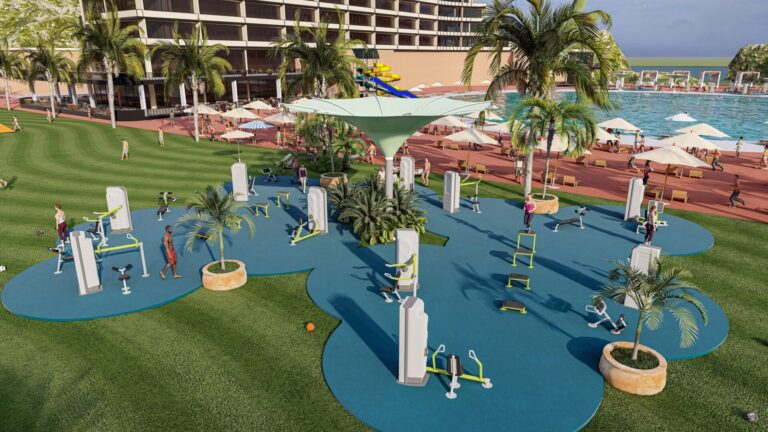
The first step in selecting outdoor gym equipment is defining the primary use case. Municipal projectsprioritize accessibility and durability, while hotels and premium residential developments focus on user experience and aesthetics. In commercial projects, return on investment and heavy-duty performance become key decision factors. Therefore, equipment selection must align with the target user profile and expected usage intensity.
Bodyweight vs Weight-Adjusted Systems
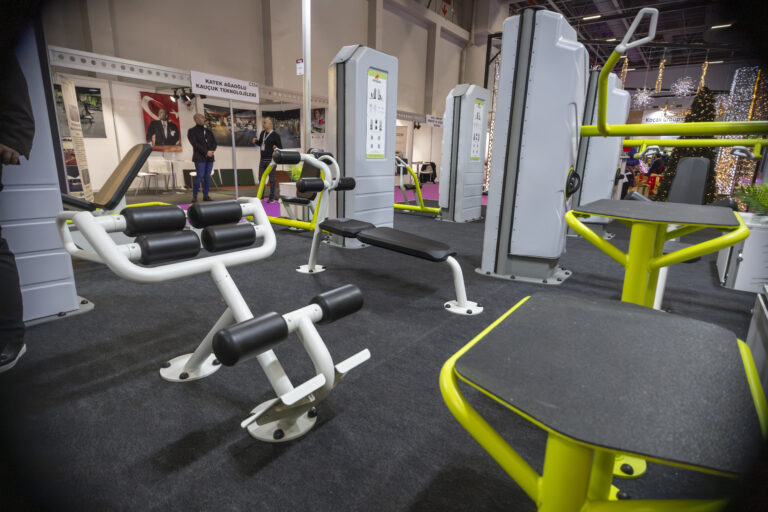
Outdoor fitness equipment can generally be divided into two categories: bodyweight systems and weight-adjusted professional systems. While bodyweight equipment offers a lower upfront cost, it provides limited training versatility. Weight-adjusted systems, on the other hand, cater to different fitness levels, enable progressive training, and deliver a professional gym experience outdoors. In 2026, premium projects increasingly favor weight-adjusted solutions.
Quality Standards and Certification
Compliance with international standards is one of the most critical indicators of quality. Standards such as EN 16630 and ASTM F3101 ensure that equipment meets strict requirements for safety, durability, and user protection. Non-certified products may appear cost-effective initially but often result in long term risks and additional expenses.
Durability and Material Technology
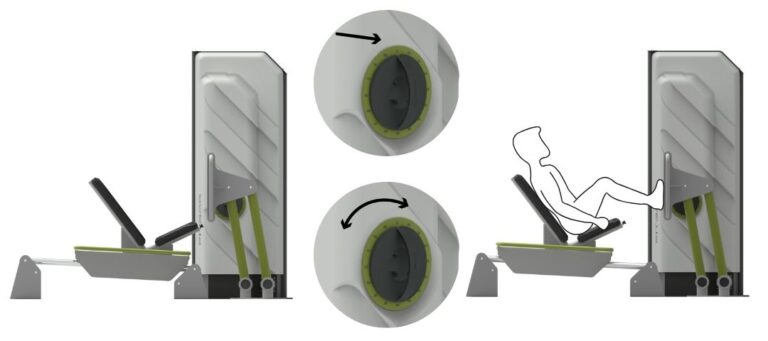
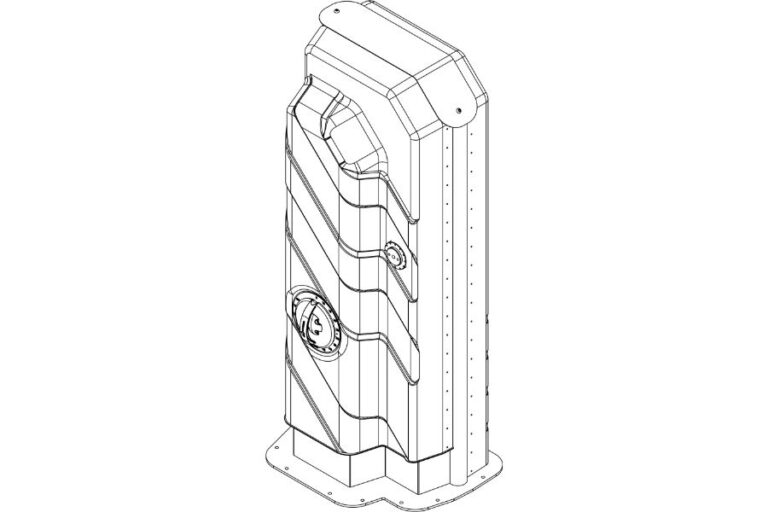
Outdoor gym equipment is constantly exposed to harsh environmental conditions, including UV radiation, humidity, and temperature fluctuations. Therefore, corrosion resistance, UV protection, and material quality are essential factors. High-grade steel structures, protective coatings, and enclosed mechanisms significantly extend product lifespan and performance. Low-quality alternatives often fail within a few years.
Total Cost of Ownership (TCO)
Focusing solely on purchase price is a strategic mistake. Total cost of ownership includes maintenance costs, failure rates, spare parts requirements, and product lifespan. Low-cost equipment often results in higher long-term expenses due to frequent repairs and replacements. A comprehensive cost analysis is essential before making a decision.
Supplier Selection and Technical Capability
Choosing the right supplier is critical to project success. Key factors include engineering capability, proven project references, ability to provide technical documentation, and after-sales support. Companies with established global distribution networks and operational expertise offer more reliable and scalable partnerships.
In 2026, selecting outdoor fitness equipment should be approached as a strategic investment decision rather than a simple procurement process. The right combination of product quality, technology, and supplier capability ensures long-lasting, cost-efficient, and high-performance outdoor fitness projects. A balanced evaluation of technical specifications, user experience, and total cost is essential for optimal results.