Bodyweight vs Weight-Adjusted Outdoor Fitness Equipment: Which is More Effective?
As the outdoor fitness market continues to grow, two main categories dominate: bodyweight systems and weight-adjusted professional equipment. These two approaches differ significantly in terms of user experience, training efficiency, and investment value. For developers, municipalities, and investors, choosing the right system is a critical decision for long-term success.
What are Bodyweight Systems?
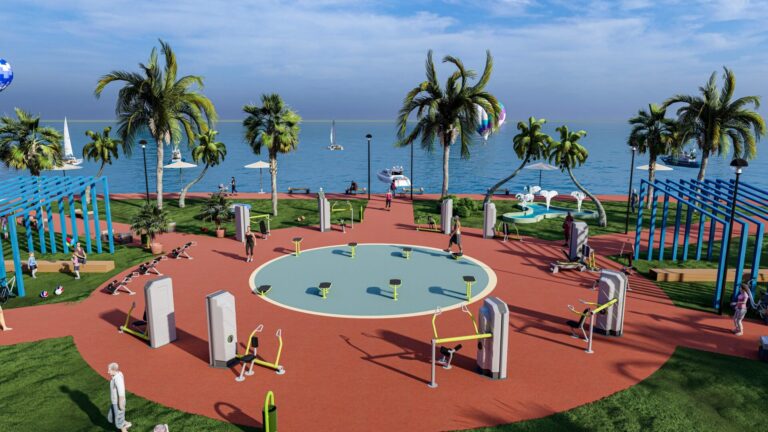
Bodyweight outdoor fitness equipment uses the user’s own body weight as resistance. These systems are typically cost-effective, durable, and require minimal maintenance. Commonly found in public parks, they are designed to serve a wide audience. However, they offer limited customization and training progression.
What are Weight-Adjusted Systems?
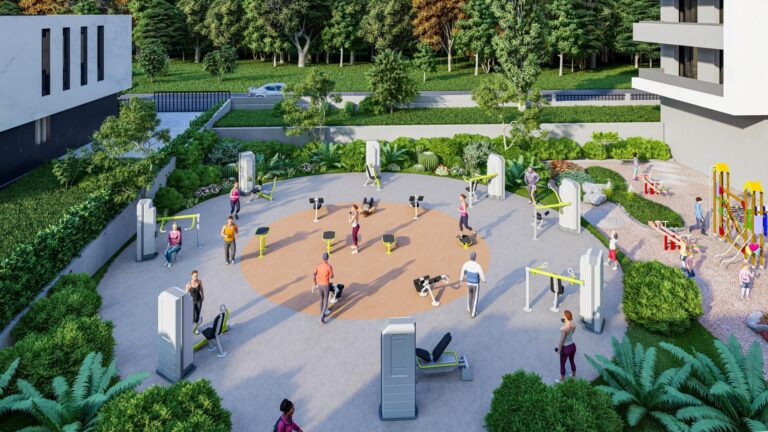
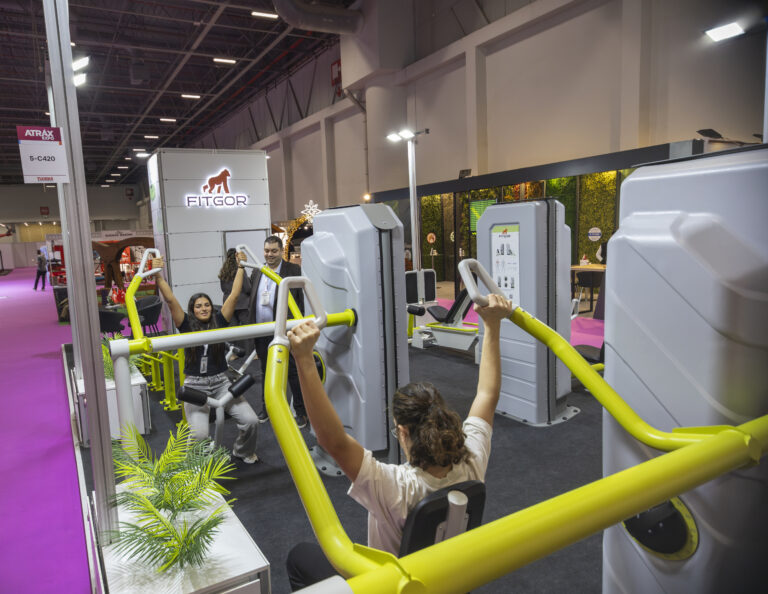
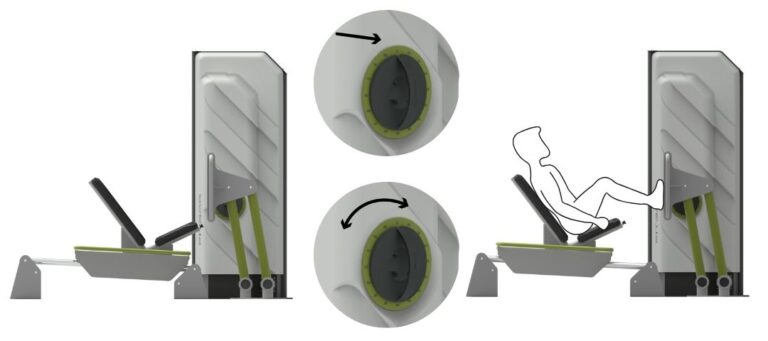
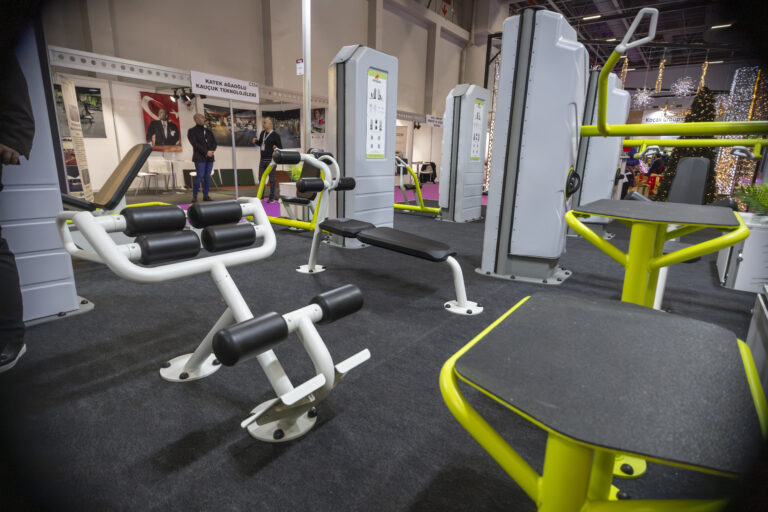
Weight-adjusted outdoor fitness equipment provides variable resistance levels, bringing a professional gym experience into outdoor environments. These systems allow users to train according to their fitness level and support progressive overload. They are particularly suitable for performance-oriented users and premium projects.
Training Efficiency and User Experience
Bodyweight systems can meet basic exercise needs but offer limited progression. Since resistance remains constant, they cannot adapt to different user levels. Weight-adjusted systems, however, allow users to customize resistance, resulting in more effective and sustainable training. This significantly improves user satisfaction and engagement.
Target Audience and Use Cases
Bodyweight equipment is typically preferred in public projects with limited budgets, especially municipalities aiming to serve a broad population. Weight-adjusted systems are more suitable for hotels, luxury residential projects, and high-end fitness environments. These systems enhance user experience and differentiate the project.
Durability and Engineering
While bodyweight systems are mechanically simpler and appear durable, they often lack performance versatility under heavy usage. Weight-adjusted systems require advanced engineering, including enclosed mechanisms and high-quality materials. When properly manufactured, they provide long lasting and safe operation.
Total Cost and Investment Perspective
Bodyweight systems have a lower initial cost but may deliver limited long-term value due to lower engagement and user satisfaction. Weight-adjusted systems require higher upfront investment but attract more users, offer longer lifespan, and reduce maintenance needs, resulting in stronger overall returns.
Project Value and Brand Positioning
Outdoor fitness areas directly influence project perception. Bodyweight systems provide a basic service, while weight-adjusted systems create a premium identity. In hotels and luxury developments, this distinction can significantly impact customer preference. Therefore, equipment selection is not only functional but also a strategic branding decision.
Bodyweight and weight-adjusted outdoor fitness equipment serve different purposes. However, as user expectations evolve in 2026, weight-adjusted systems are becoming the preferred solution for projects aiming to deliver superior experience and long-term value. The right choice should align with target audience, project type, and investment goals.