Durability in Outdoor Fitness Equipment: UV Resistance, Corrosion Protection, and Climate Testing
Outdoor fitness equipment is constantly exposed to harsh environmental conditions such as sunlight, rain, humidity, temperature fluctuations, and heavy usage. Therefore, durability is not just a technical feature but a critical factor that determines the long-term sustainability of the investment. Low-quality equipment deteriorates quickly, while high-engineered systems maintain performance and safety over many years.
Environmental Impact on Equipment
Outdoor equipment is continuously affected by environmental factors. UV radiation can degrade surface coatings, while moisture and rain can cause corrosion. Temperature changes may lead to material expansion and structural stress. Equipment that is not designed to withstand these conditions will quickly lose both functionality and visual quality.
UV Resistance and Coating Technologies
UV resistance is essential for equipment exposed to direct sunlight. Low-quality coatings tend to fade, crack, and deteriorate over time. High-quality outdoor fitness equipment uses advanced coating technologies that provide strong UV protection, preserving both the appearance and structural integrity of the product over time.
Corrosion Resistance and Material Selection
Corrosion is one of the biggest threats to outdoor equipment, especially in humid or coastal
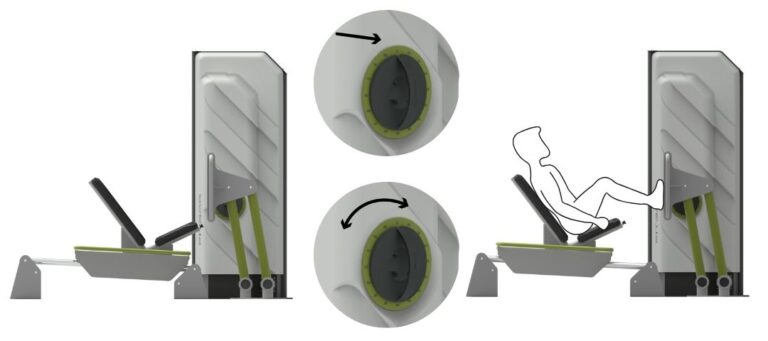
environments. High-grade steel, galvanization, and electrostatic powder coating are key solutions to enhance corrosion resistance. Enclosed mechanical systems further protect internal components from environmental exposure, extending product lifespan.
Mechanical Strength and Engineering Design
Outdoor fitness equipment must withstand not only environmental conditions but also heavy user loads. Mechanical strength is therefore a critical aspect of engineering design. Load testing, moving part durability, and structural integrity determine long-term performance. High-engineered products maintain consistent performance even under intensive use.
Climate Testing and Performance Validation
Professional outdoor fitness equipment undergoes extensive climate testing before entering the market. These tests simulate extreme conditions such as heat, cold, humidity, and UV exposure. The goal is to validate product performance under real-world conditions. Such testing processes are a hallmark of high-quality manufacturers.
Maintenance Requirements and Operational Sustainability
Durability is closely linked to maintenance requirements. Low-quality equipment requires frequent servicing, while high-quality systems operate with minimal maintenance over long periods. This directly impacts total cost of ownership. For municipalities and commercial projects, reduced maintenance is a significant operational advantage.
Long-Term Advantages of Premium Products
High-durability equipment may have a higher initial cost, but it delivers superior long-term value. Fewer failures, lower maintenance costs, and extended lifespan significantly improve overall investment returns.
Additionally, maintaining visual and functional quality enhances the project’s brand perception. Durability is one of the most critical factors in selecting outdoor fitness equipment. UV resistance, corrosion protection, engineering quality, and testing processes determine product performance and lifespan. Therefore, investment decisions should prioritize long-term durability and quality over short term cost savings.