Outdoor Fitness Project Setup Guide for Municipalities and Hotels
Outdoor fitness projects have become strategic investments that create value across urban planning, tourism, and real estate development. For municipalities, they enhance public well-being, while for hotels and residential projects, they significantly improve user experience and brand positioning. However, successful implementation requires careful planning, правиль equipment selection, and efficient execution.
Defining the Project Objective
The most critical first step is clearly defining the purpose of the project. Municipal projects typically focus on accessibility and durability for a wide audience. Hotels aim to elevate guest experience and differentiation, while residential developments prioritize user satisfaction and lifestyle enhancement. The project objective directly influences equipment selection and spatial design.
Site Selection and Layout Planning
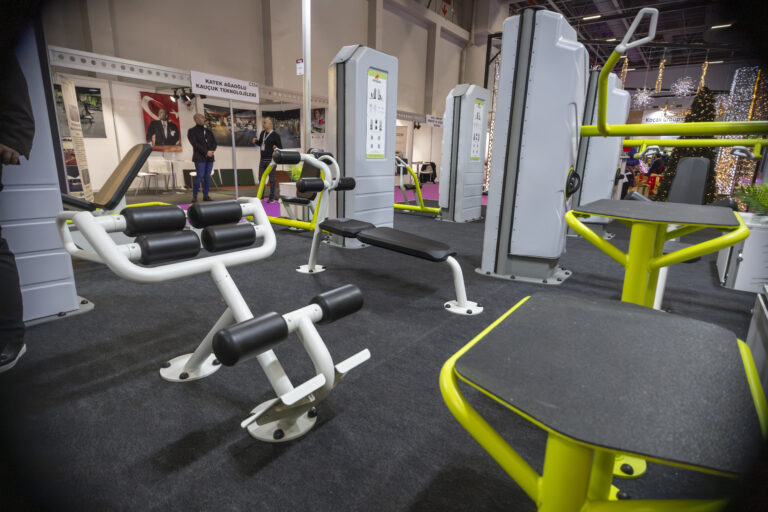
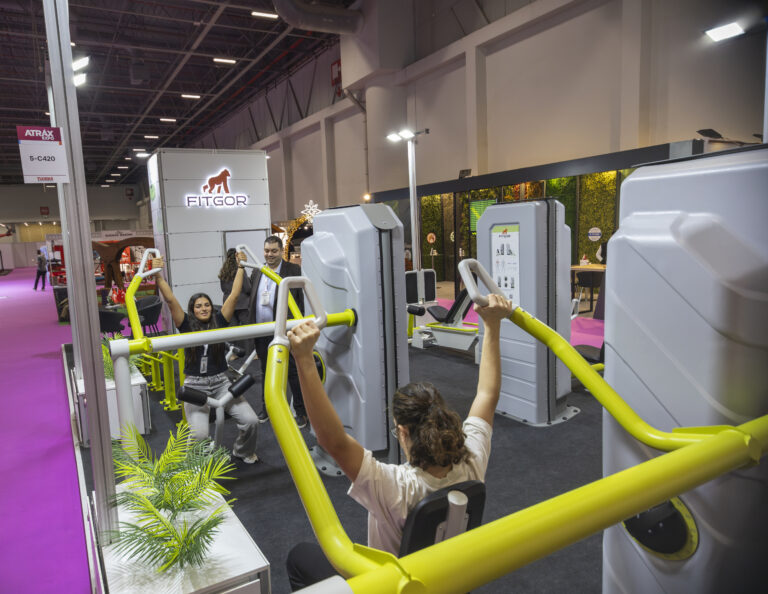
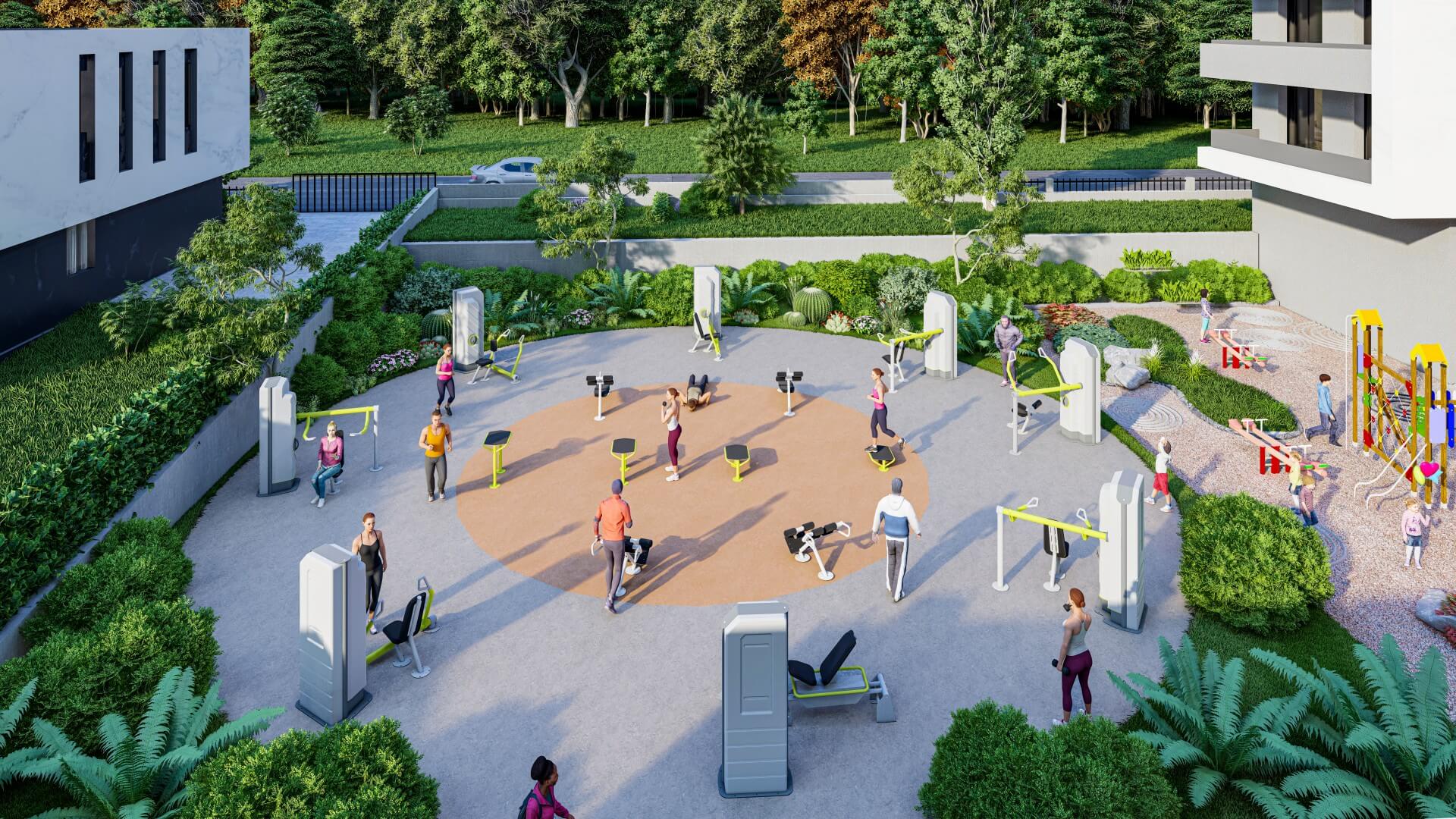
The location of an outdoor fitness area plays a key role in its success. High foot traffic areas such as parks, waterfronts, and hotel gardens are ideal. Environmental factors such as sunlight exposure, wind direction, and ground conditions must also be considered. Equipment layout should support user flow and ensure balanced distribution across different workout zones.
Equipment Selection and Segmentation
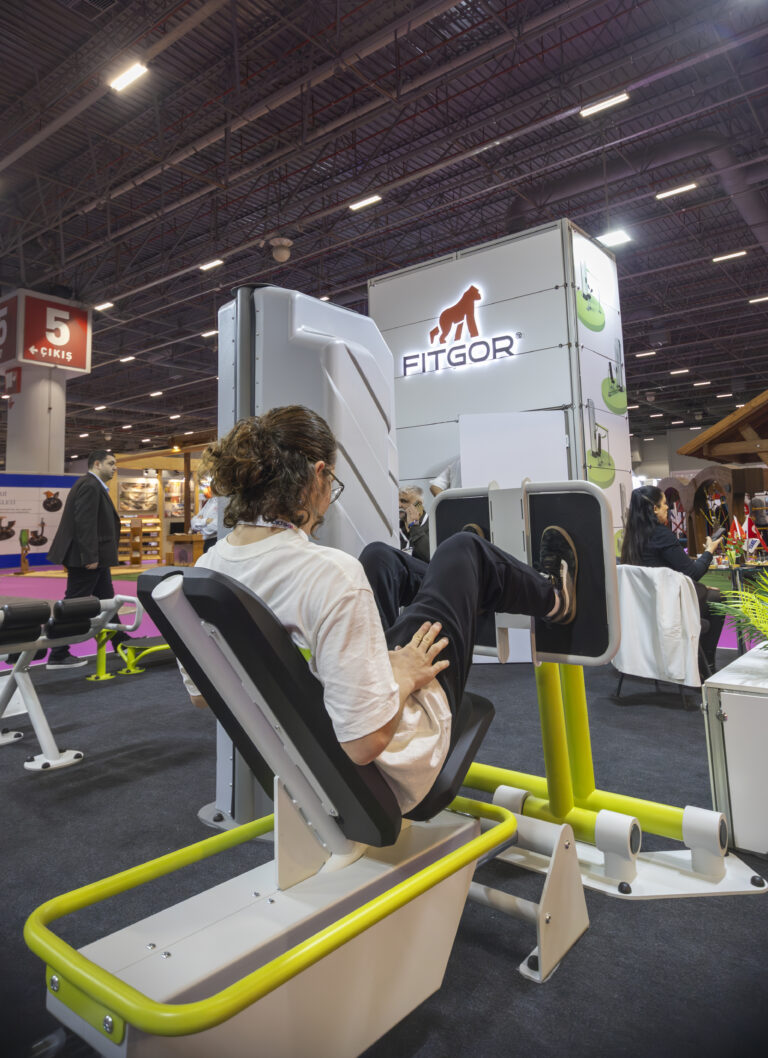
Equipment selection defines the overall quality of the project. Two main categories exist: bodyweight systems and weight-adjusted professional systems. Municipal projects typically prioritize durable and accessible solutions, while hotels and premium developments focus on enhanced user experience with adjustable resistance systems. A balanced product mix targeting different muscle groups is essential.
Safety Standards and Certification
Safety is a critical factor in outdoor fitness projects. Equipment should comply with international standards such as EN 16630 and ASTM F3101. These certifications ensure safety, durability, and performance. Non-certified products may lead to long-term risks and additional costs.
Durability and Maintenance Planning
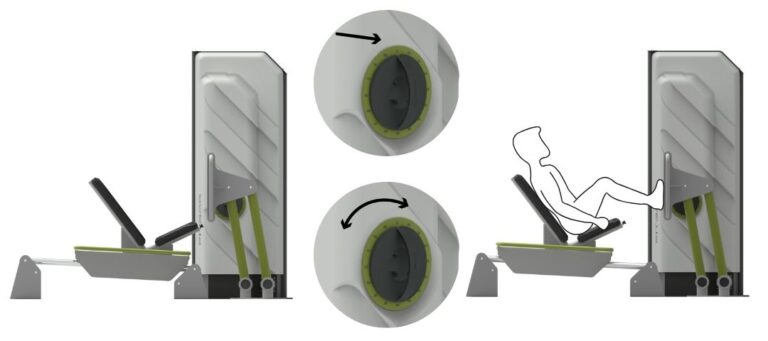
Outdoor equipment is exposed to harsh environmental conditions, making durability a key consideration. Corrosion resistance, UV protection, and high-quality materials are essential. Enclosed mechanisms and advanced coating technologies reduce maintenance needs. A structured maintenance plan should be established to ensure long-term operational efficiency.
Installation Process and Operations
The installation phase is critical for timely and accurate project delivery. Ground preparation, equipment assembly, and safety checks must be handled by professional teams. Post-installation, user instructions and signage enhance usability. Ongoing technical support and service planning are also important for sustained performance.
Cost Optimization and Investment Strategy
Cost evaluation should not be limited to initial purchase price. Total cost of ownership includes maintenance, lifespan, and operational efficiency. Low-cost equipment often results in higher long-term expenses. Therefore, investment decisions should be based on long-term value rather than short-term savings.
For municipalities and hotels, outdoor fitness projects can become high-value investments when properly planned and executed. A user-centric approach, technical quality, and sustainable operations are key success factors. A strategically designed outdoor fitness space significantly enhances the competitive advantage of any Project